Changelog
Feature Improvement
Downloading images in Resource Management
Users with access to the Resource Management menu will now be able to download images found in the images category of said menu. This way, specific images can easily be downloaded to be placed individually at another spot inside a training. This new addition gives the Resource Management the ability to better filter and reuse the images found in the file you had processed.
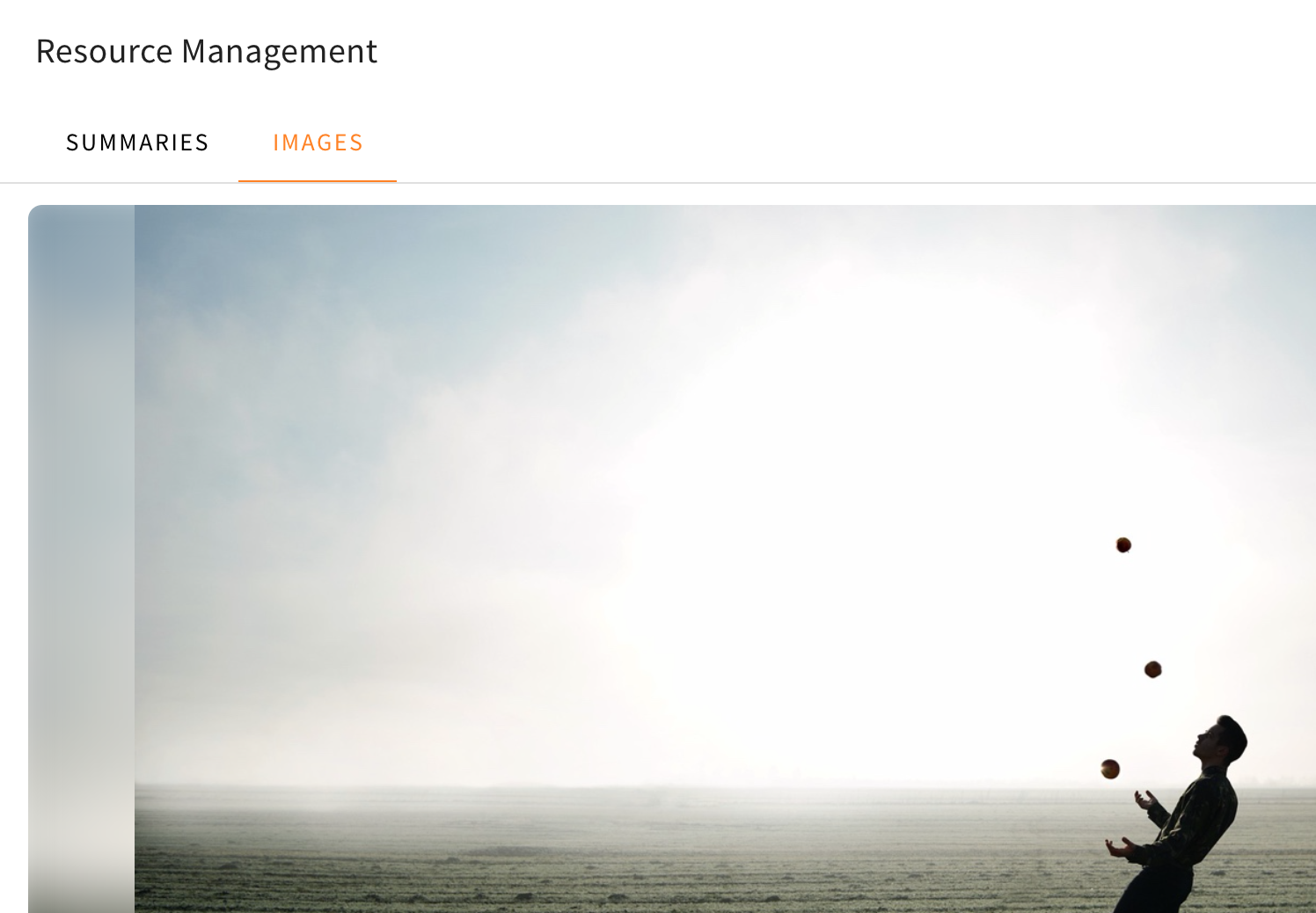
The download button can be found inside the image you wish to download at the top, once you navigate through the Resource Management, which can be opened in the sidebar on the right. Once you are inside the Resource Management and have used a file which was processed, you have to change the category at the top from “Summaries” to “Images”. Once you zoom in on a picture you wish to download, it will open the individual image you have chosen at the center of the menu. Here you will be able to see the download button at the top edge inside the image.
Additional AI markers
Additional options for the use of AI markers are being added.
More elements will now have the option to toggle an AI marker, which some elements already had as described in the other changelog about adding AI markers in general and the improvement of the toggle.
The following elements now have the AI marker toggle added:
- Chatbot
- Stage
- Interactive simulation
- Slideshow
- Background Switcher
- Flipcard
- Image comparison
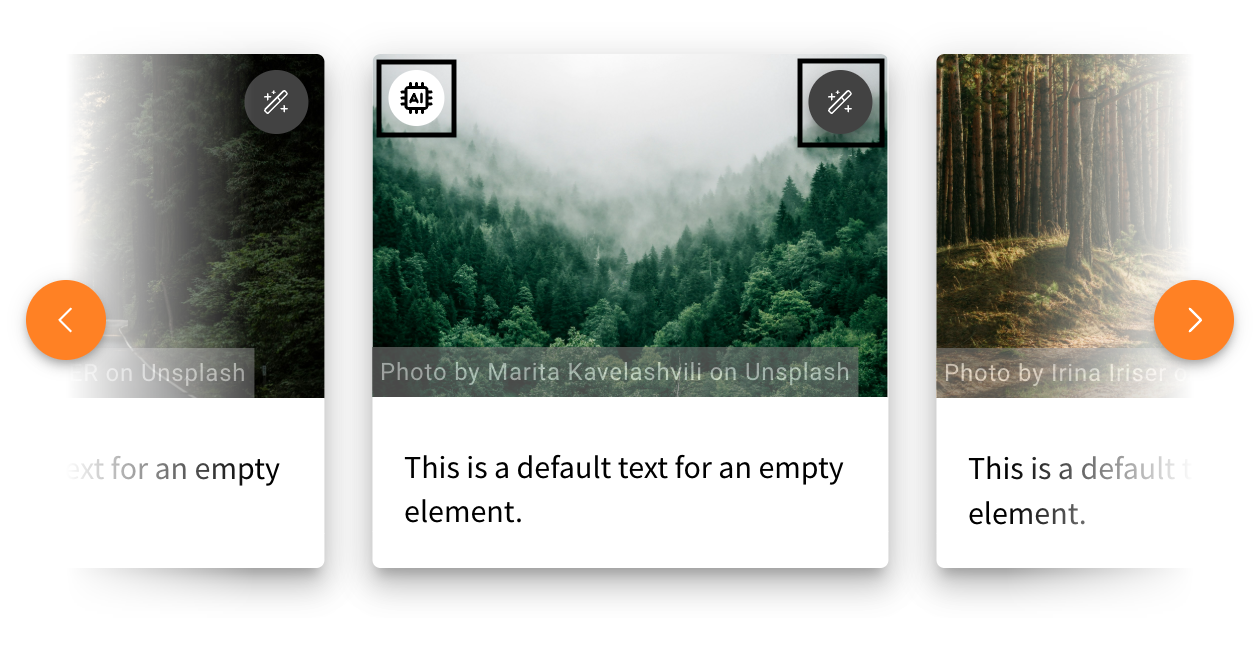
The Slideshow, Background Switcher, and Flipcard will have a marker for each slide, which also adds the StyleSettings button to each slide. In the following example, you can see what the AI marker looks like when you add it to one picture in the slideshow and where you can find the menu to add it for each slide separately.
The Image Comparison will also have the toggle option to choose which image was created with the help of AI. This way, you can add the marker to the left or right image individually or add the marker to both.
In addition, background images of a row also have an AI marker toggle, as well as images used as a preview of cards.
Alternative navigation in the link element
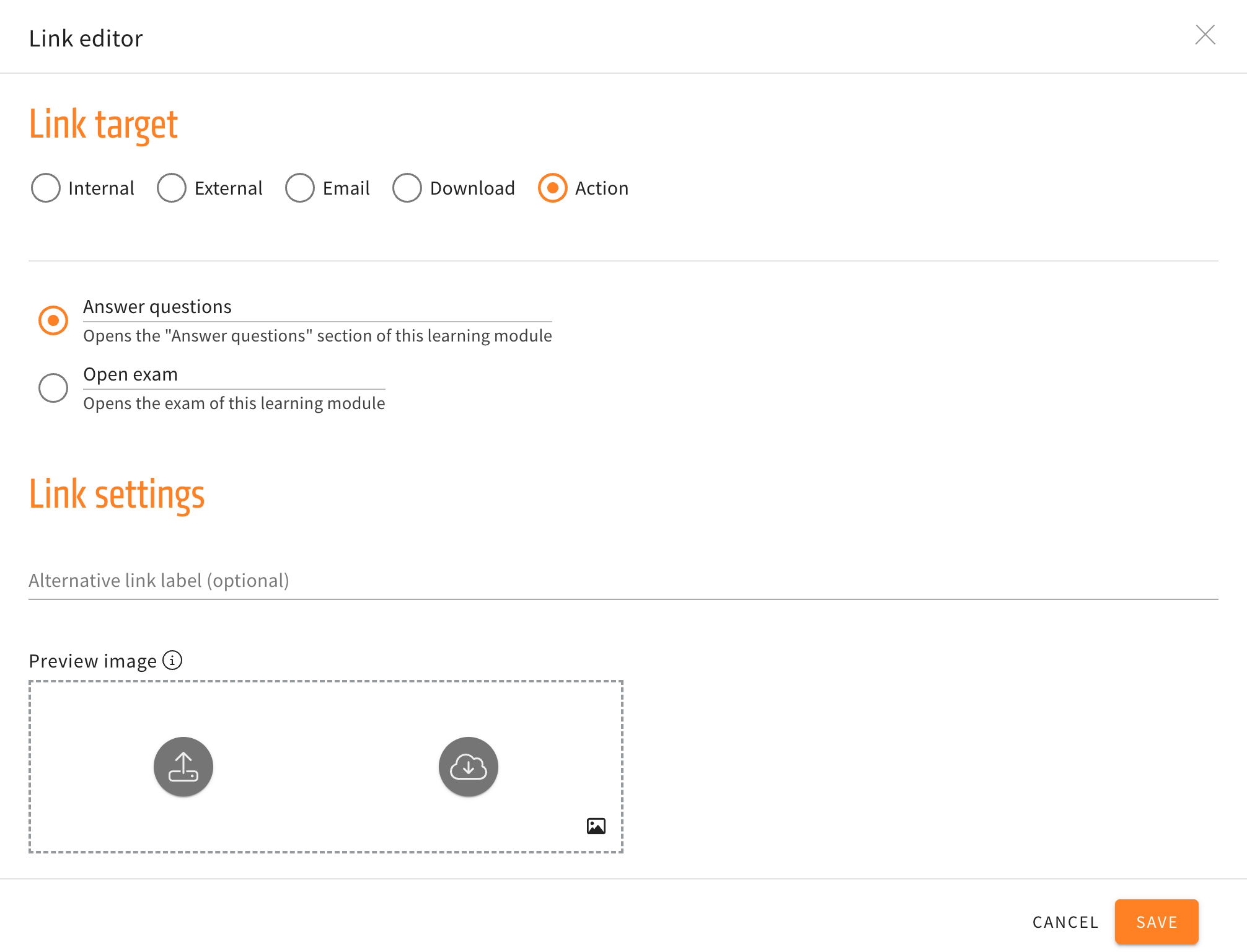
Three new options for actions are now available in the link element. The new actions will navigate the user to the introduction, the previous, or next card without having to use the buttons at the end of a card.
When creating and then editing a link element, the submenu for actions will no longer just have the options to directly open the “Answer questions” section or open the exam directly, but additionally have the three new navigation options mentioned above.